

Deep Tissue (60 min) Gallery
$$MultiPurposeText$$
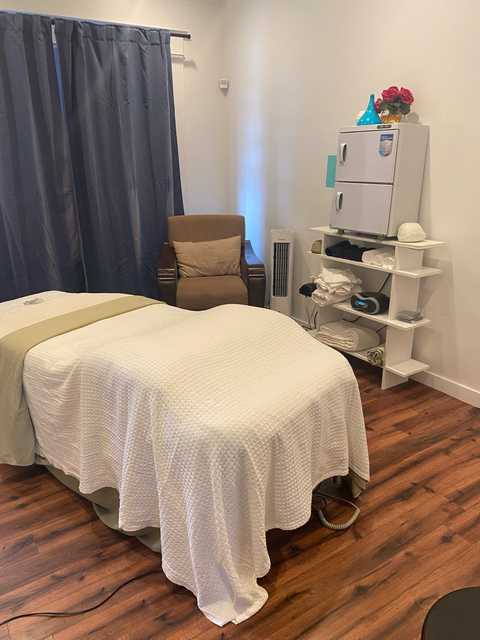
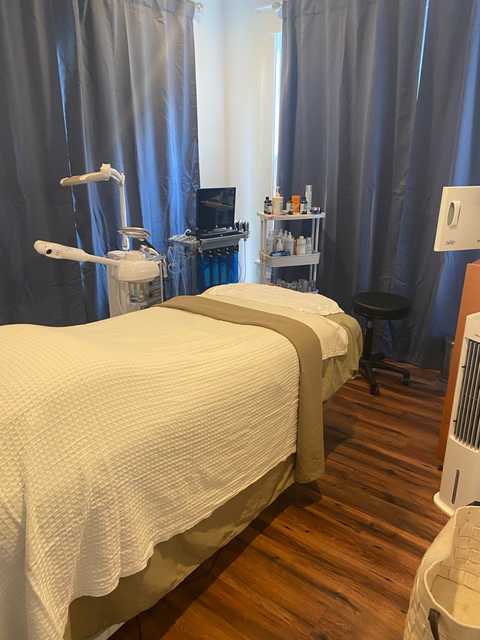
See examples of our Deep Tissue (60 min) work and results.












What Our Clients Say
$$MultiPurposeText$$
Read testimonials from our satisfied customers

Best deep tissue massage EVER!!! Not only did she treat all of my trouble spots, she did a...more

...more
Frequently Asked Questions
Get answers to common questions about Deep Tissue (60 min).
During a Deep Tissue (60 min) session expect focused, slow strokes, intense pressure on tight areas, trigger-point release and deep transverse friction. Therapists communicate pressure levels and adjust techniques. You may feel discomfort as adhesions release; afterward expect increased mobility and mild soreness.
Some discomfort is normal as deeper muscles are worked, but therapists adapt pressure to your tolerance. Communicate sensations so we can modulate intensity. Pain should not be sharp; if severe, your therapist will ease pressure or change technique immediately.
Frequency depends on condition severity: weekly sessions benefit chronic or severe tension initially, then biweekly or monthly maintenance. Your therapist will recommend a personalized plan based on your response, activity level, and recovery goals.
People with blood clotting disorders, recent surgery, acute inflammation, certain cancers, fractures, uncontrolled hypertension, or pregnancy should consult a physician first. Always disclose medical history and medications so therapists can adapt treatment safely.
Yes — deep tissue pairs well with stretching, hot stones, or targeted sports massage. We can create combination packages; sequencing matters, so deep tissue is best followed by gentle modalities and hydration for optimal recovery.
Drink plenty of water, rest, and apply heat or gentle stretching to support tissue recovery. Expect mild soreness for 24–72 hours; use ice for acute tenderness. Contact us if you experience prolonged or severe pain.