

Arm and Shoulders Detailing Massage Gallery
$$MultiPurposeText$$
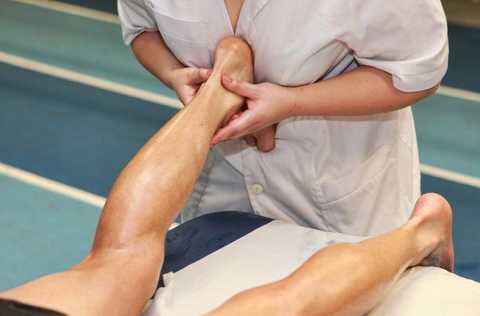
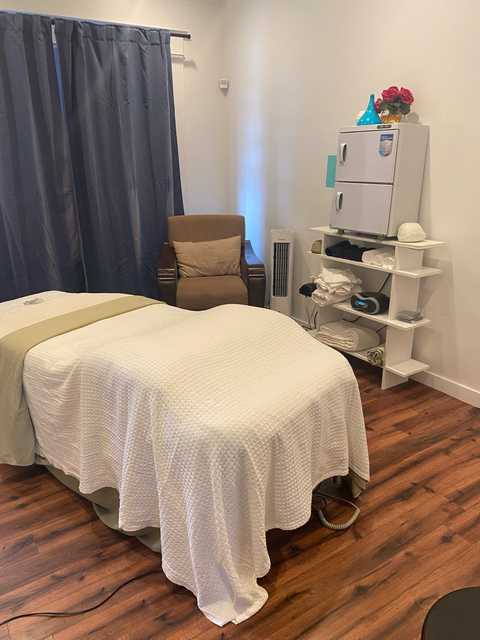
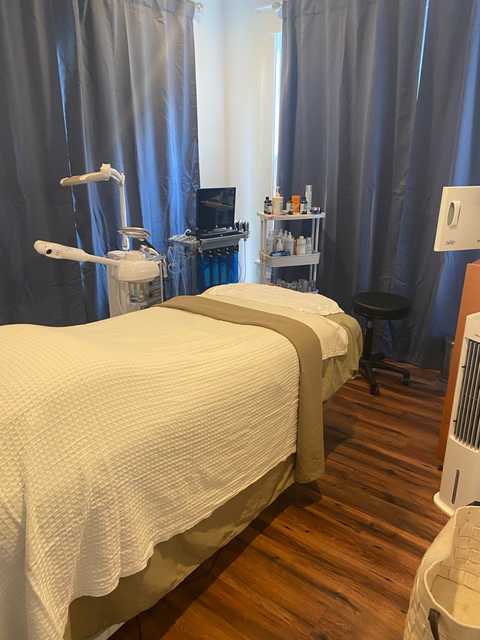
See examples of our Arm and Shoulders Detailing Massage work and results.











What Our Clients Say
$$MultiPurposeText$$
Read testimonials from our satisfied customers

Best massage I’ve ever had and probably ever will have. Joy was incredible. She was able t...more

Booked my mom a massage with Nike and she did a great job! Highly recommend.

I received a gift certificate for a massage here and hands down it was the best massage I ...more

Great quality massage service and friendly staff!

I have been there twice for a massage. Both times the service from the moment I entered to...more

My partner and I spontaneously decided we needed a massage and my Spa Joy did not disappoi...more

Frequently Asked Questions
Get answers to common questions about Arm and Shoulders Detailing Massage.
Our specialist uses focused manual techniques—deep tissue, trigger point release, and myofascial mobilization—to identify and release tight bands in shoulder muscles. This reduces neural irritability and improves blood flow, often decreasing pain and restoring functional movement after one or several sessions.
Yes. Athletes benefit from targeted work on rotator cuff, forearm extensors and flexors, and scapular stabilizers. Treatment reduces recovery time, improves performance and reduces re-injury risk when combined with stretching, strengthening, and proper training routines.
Sessions typically run 30 to 60 minutes depending on focus and client needs. Longer sessions allow deeper, more comprehensive detailing. Your therapist will recommend duration based on pain levels, range of motion, and treatment goals during initial assessment.
Some pressure or discomfort can occur as tight knots and adhesions are released, but therapists adjust intensity to your tolerance. Communication is key—let us know your comfort level so we can modify techniques and ensure an effective, safe session.
Wear comfortable clothing and avoid heavy meals beforehand. Hydrate well and arrive a few minutes early to complete intake forms. Inform your therapist about injuries, surgeries, medications, or recent imaging so they can tailor the session safely and effectively.
Recommendation varies—acute pain may need one to three sessions, chronic conditions often benefit from a series over several weeks. Therapists assess progress and suggest maintenance frequency, combining home exercises and periodic treatments for lasting mobility and pain control.