

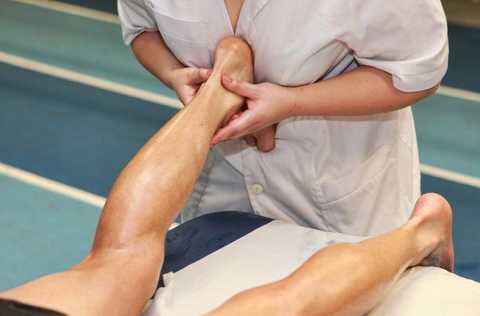
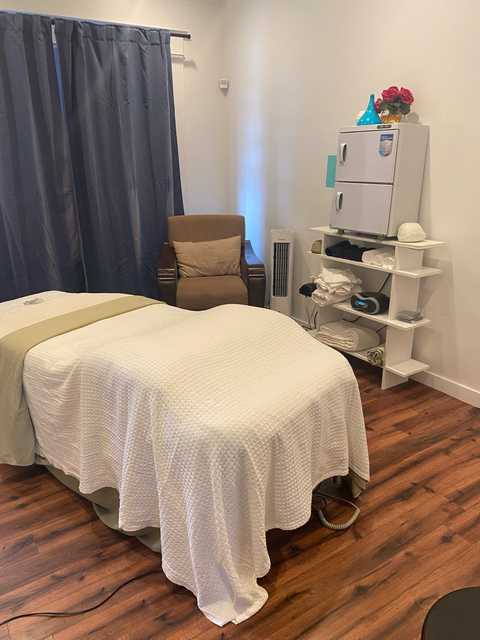
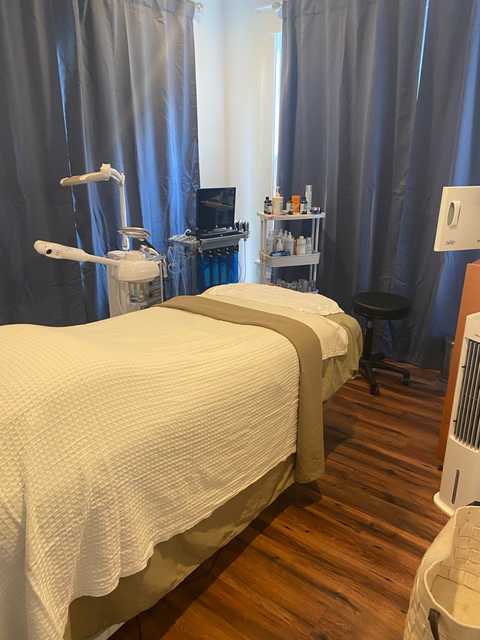
Runner Massage (90 min) Gallery
$$MultiPurposeText$$
See examples of our Runner Massage (90 min) work and results.











What Our Clients Say
$$MultiPurposeText$$
Read testimonials from our satisfied customers

Best massage I’ve ever had and probably ever will have. Joy was incredible. She was able t...more

Booked my mom a massage with Nike and she did a great job! Highly recommend.

I received a gift certificate for a massage here and hands down it was the best massage I ...more

Great quality massage service and friendly staff!

I have been there twice for a massage. Both times the service from the moment I entered to...more

My partner and I spontaneously decided we needed a massage and my Spa Joy did not disappoi...more

Frequently Asked Questions
Get answers to common questions about Runner Massage (90 min).
Your therapist will assess your running history, tight areas, and mobility. Expect focused work on legs, hips, calves, deeper pressure when needed, and post-session stretches. Communicate pressure preferences to ensure comfort and effective results.
Frequency depends on training volume and goals. For regular runners, every 2–4 weeks helps maintenance; heavy training or post-race recovery may require weekly sessions. Therapists recommend a plan based on soreness, mileage, and competition schedule.
Some deep techniques can feel intense, but therapists prioritize comfort and communication. You may experience brief discomfort as adhesions release, which often leads to lasting relief. Pressure is adjusted to match your tolerance and needs.
Yes. Targeted soft-tissue work, eccentric muscle release, and mobility exercises can reduce tension patterns that contribute to shin splints. Combined with stretching, strengthening, and gait advice, massage supports rehabilitation; severe cases may need medical evaluation.
Arrive hydrated and wear comfortable clothing for assessment. Avoid heavy meals immediately before. After the massage, rest briefly, continue hydrating, follow recommended stretches, and apply ice or heat if advised to extend recovery benefits.
Contraindications include open wounds, recent fractures, uncontrolled hypertension, deep vein thrombosis, and active infections. Always disclose medical history, medications, and recent injuries so therapists can modify treatment or refer you to appropriate care.