

Stiff Neck Massage Gallery
$$MultiPurposeText$$
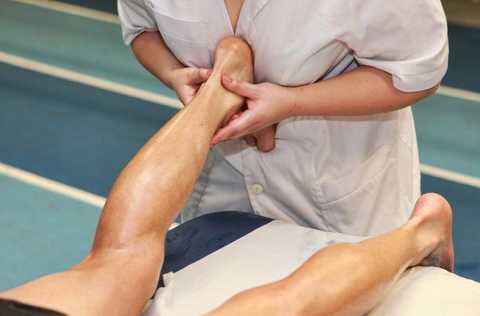
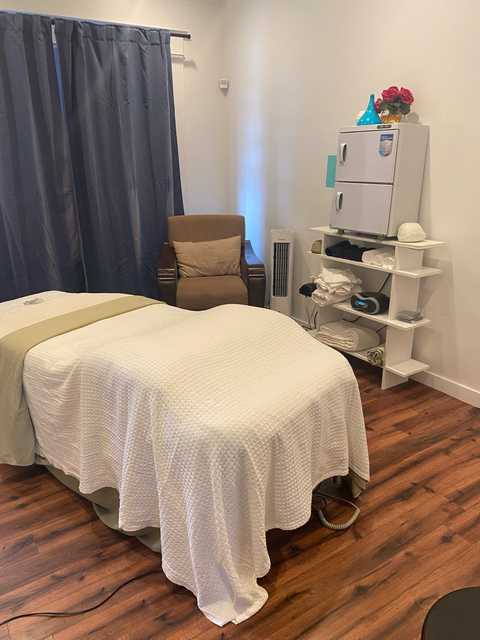
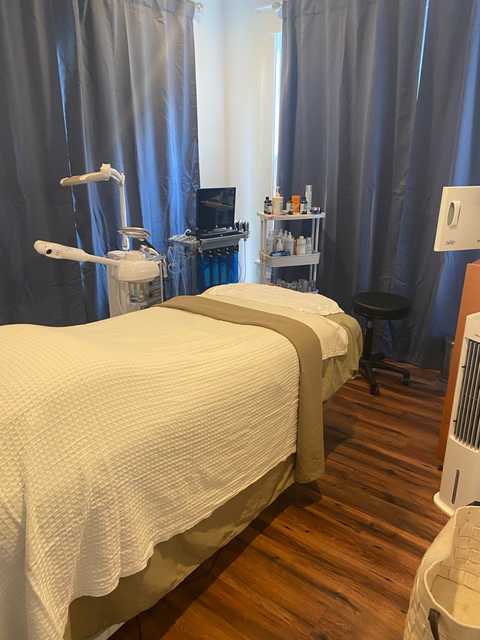
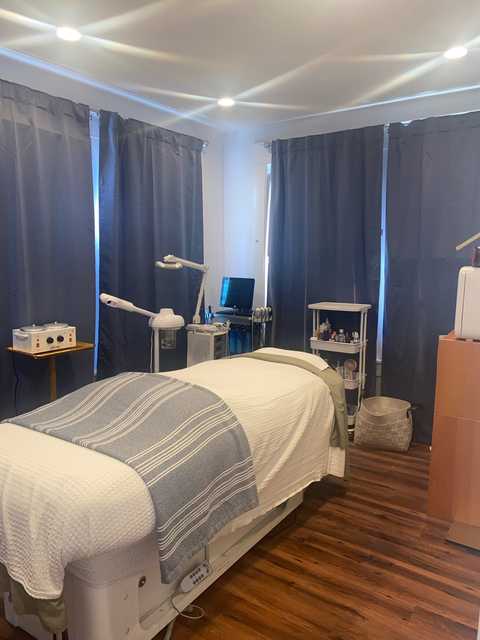
See examples of our Stiff Neck Massage work and results.










What Our Clients Say
$$MultiPurposeText$$
Read testimonials from our satisfied customers

Best massage I’ve ever had and probably ever will have. Joy was incredible. She was able t...more

Booked my mom a massage with Nike and she did a great job! Highly recommend.

I received a gift certificate for a massage here and hands down it was the best massage I ...more

Great quality massage service and friendly staff!

I have been there twice for a massage. Both times the service from the moment I entered to...more

My partner and I spontaneously decided we needed a massage and my Spa Joy did not disappoi...more

Frequently Asked Questions
Get answers to common questions about Stiff Neck Massage.
Most sessions run 30 to 60 minutes. First visits include intake, assessment, and treatment planning. Many clients benefit most from 45–60 minute appointments so therapists can thoroughly assess and address underlying tension and mobility limitations.
The massage is designed to be gentle and precise; pressure is adjusted to comfort. You may feel temporary soreness as tight muscles release, but therapists work within your tolerance and modify techniques to avoid pain while maximizing relief.
Frequency depends on cause and severity; acute stiffness may improve after one to three sessions, while chronic issues often require 4–6 weekly treatments. Therapists give home care and stretches, with maintenance visits recommended for long-term relief.
Yes. Contraindications include recent neck surgery, fractures, acute infections, blood clots, severe osteoporosis, and uncontrolled hypertension. Pregnancy and certain medical conditions require practitioner approval. Always disclose medical history so we can determine safe, appropriate care.
Wear loose, comfortable clothing and avoid heavy jewelry. You may be asked to remove necklaces or hair accessories. Arrive hydrated and avoid large meals beforehand. Bring relevant medical information and notify your therapist of pain, medications, or recent treatments.
Yes—by releasing neck and upper-shoulder tension, this massage can reduce tension-type and cervicogenic headaches and lessen referred shoulder pain. Results vary; therapists often combine manual work with stretches and posture advice for longer-lasting improvement.