

Tennis Player (90 min) Gallery
$$MultiPurposeText$$
See examples of our Tennis Player (90 min) work and results.


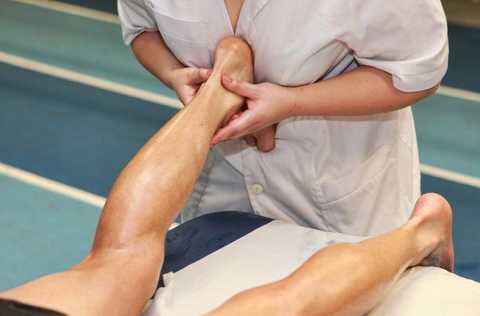





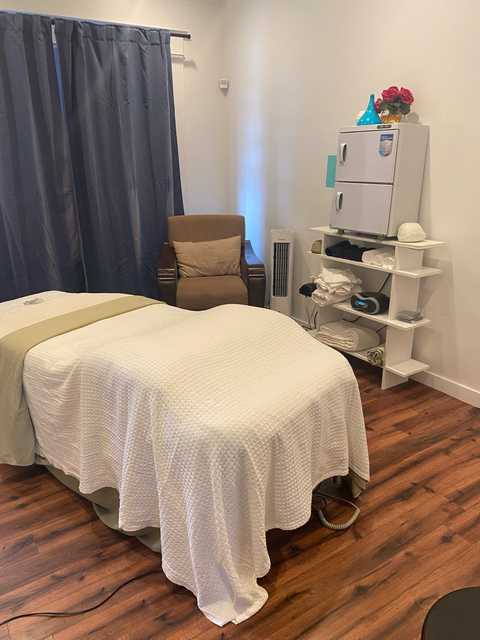

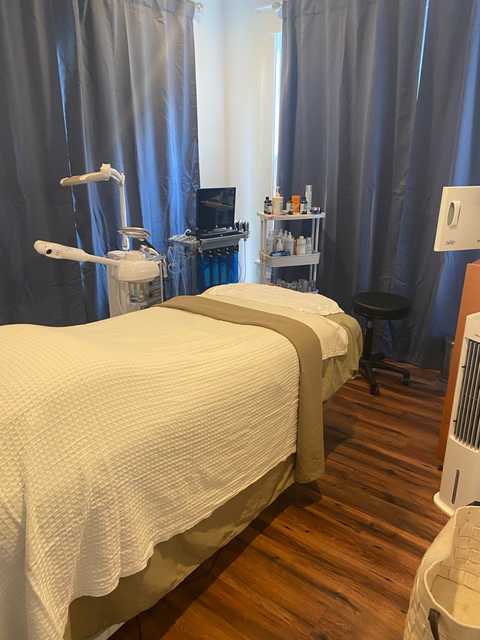

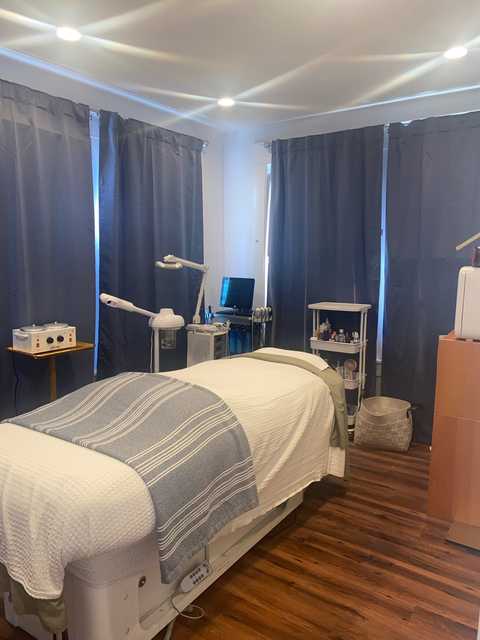

What Our Clients Say
$$MultiPurposeText$$
Read testimonials from our satisfied customers

Best massage I’ve ever had and probably ever will have. Joy was incredible. She was able t...more

Booked my mom a massage with Nike and she did a great job! Highly recommend.

I received a gift certificate for a massage here and hands down it was the best massage I ...more

Great quality massage service and friendly staff!

I have been there twice for a massage. Both times the service from the moment I entered to...more

My partner and I spontaneously decided we needed a massage and my Spa Joy did not disappoi...more

Frequently Asked Questions
Get answers to common questions about Tennis Player (90 min).
This extended sports massage concentrates on arms, shoulders, upper back, and supporting musculature. Therapists use deeper pressure, myofascial release, and targeted stretches to reduce tension, improve mobility, and speed recovery for tennis-specific movements and repetitive strain.
Therapists tailor pressure to your comfort and needs. The 90-minute length allows safer, progressive deep work for chronic tightness, but communication is encouraged so pressure is adjusted for pain tolerance, injury history, and optimal therapeutic effect.
Yes. Post-match sessions help clear metabolic waste, reduce inflammation, and decrease soreness. Scheduling within 24-48 hours after intense play aids recovery, while immediate treatments focus on relieving acute tightness and supporting movement restoration.
Wear comfortable clothing and hydrate before your appointment. Avoid heavy meals and intense exercise immediately beforehand. Bring notes about recent injuries, surgeries, or pain areas so the therapist can customize the session safely.
Frequency depends on training load and symptoms. For chronic issues, weekly sessions for 4–6 weeks often yield measurable gains; maintenance every 2–4 weeks helps sustain mobility, reduce recurrences, and support peak performance.
Inform us of acute injuries, fever, blood clotting disorders, open wounds, or recent fractures. Some conditions require physician clearance. Therapists will modify or postpone treatment to ensure safety and effective care.