

TMJ Massage (60 min) Gallery
$$MultiPurposeText$$
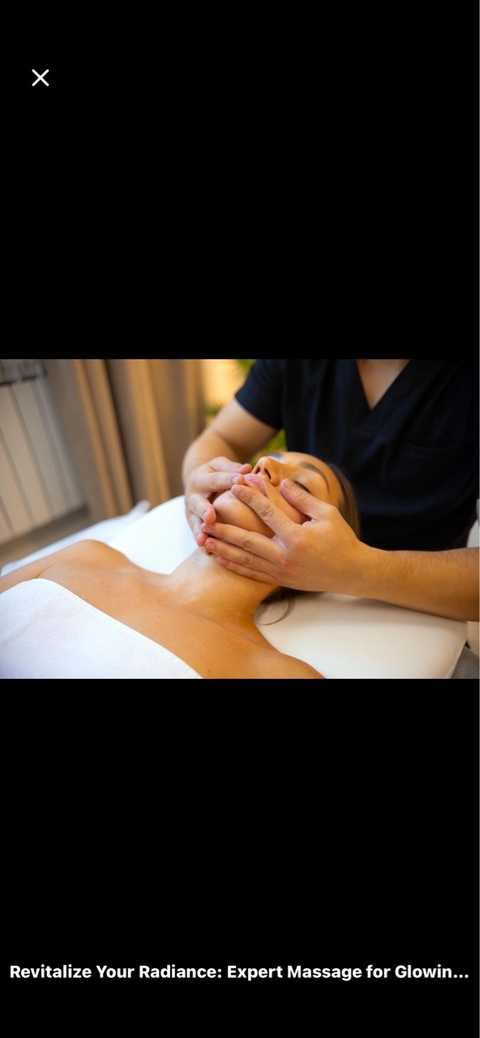
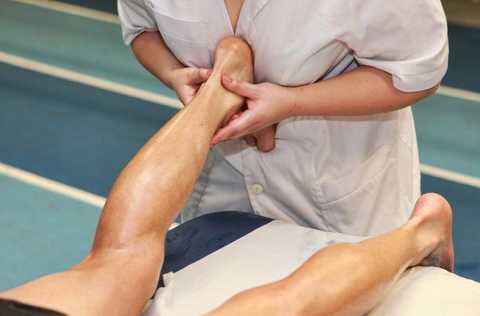
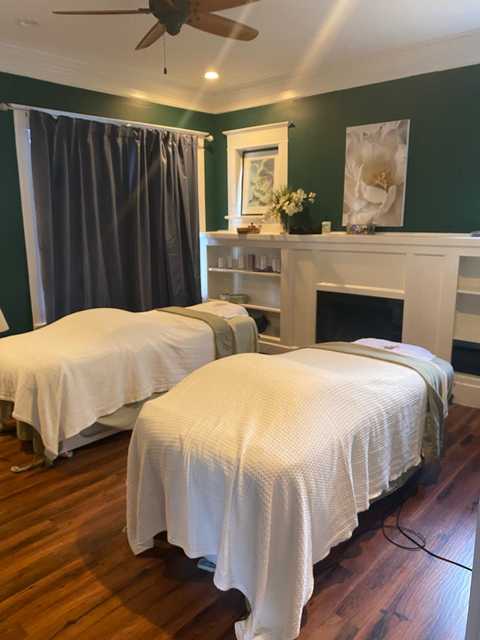
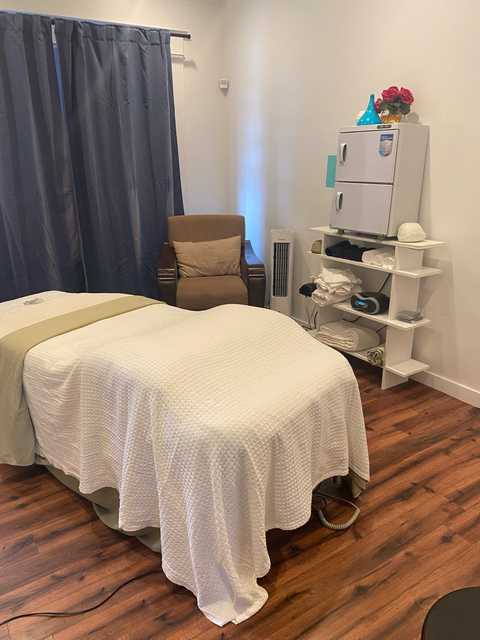
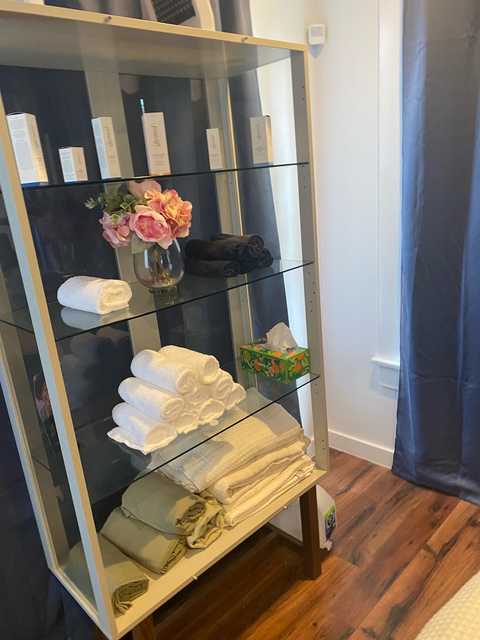
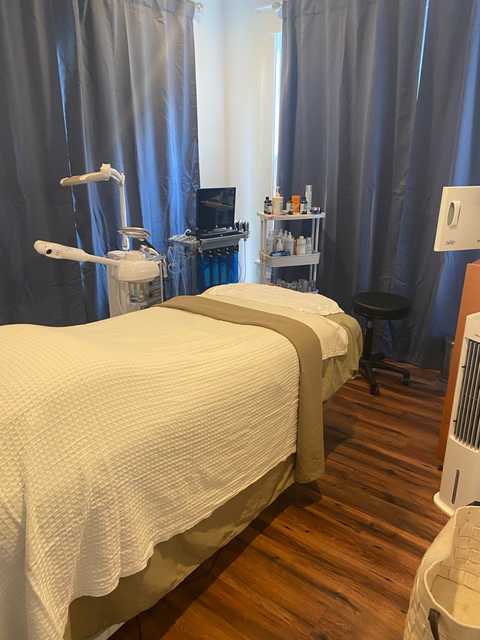
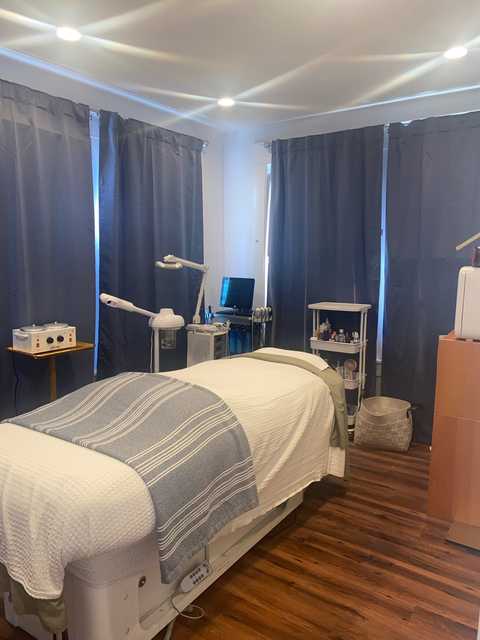
See examples of our TMJ Massage (60 min) work and results.







What Our Clients Say
$$MultiPurposeText$$
Read testimonials from our satisfied customers

Best massage I’ve ever had and probably ever will have. Joy was incredible. She was able t...more

Booked my mom a massage with Nike and she did a great job! Highly recommend.

I received a gift certificate for a massage here and hands down it was the best massage I ...more

Great quality massage service and friendly staff!

I have been there twice for a massage. Both times the service from the moment I entered to...more

My partner and I spontaneously decided we needed a massage and my Spa Joy did not disappoi...more

Frequently Asked Questions
Get answers to common questions about TMJ Massage (60 min).
Yes. Our skilled therapists evaluate your jaw mobility and pain history before treatment, making TMJ Massage suitable for many chronic sufferers. We tailor pressure and techniques, and coordinate with medical providers when needed to ensure safety and effective relief.
Many clients experience reduced nighttime grinding after a few sessions because muscle tension decreases. Results vary; combining massage with dental guards or physical therapy often gives better, longer-lasting reduction in bruxism symptoms.
Arrive with clean, relaxed jaw and avoid heavy meals beforehand. Bring medical history and a list of symptoms or triggers. Your therapist will discuss expectations and may perform range-of-motion tests to personalize the TMJ Massage session.
Risks are minimal when performed properly, but temporary soreness or lightheadedness can occur. Avoid if acute infection, recent jaw fracture, or uncontrolled bleeding. We assess contraindications during intake and modify techniques to maintain comfort and safety.
Frequency depends on severity and response. Some clients feel improvement after one session; others need a series of weekly sessions (3–6) to retrain muscles. Your therapist will recommend a personalized plan and reassess progress regularly.
Yes. TMJ Massage complements dental treatments, physical therapy, acupuncture, and relaxation techniques. We coordinate with your care providers and suggest home exercises and posture changes to enhance outcomes and reduce recurrence of TMJ symptoms.